

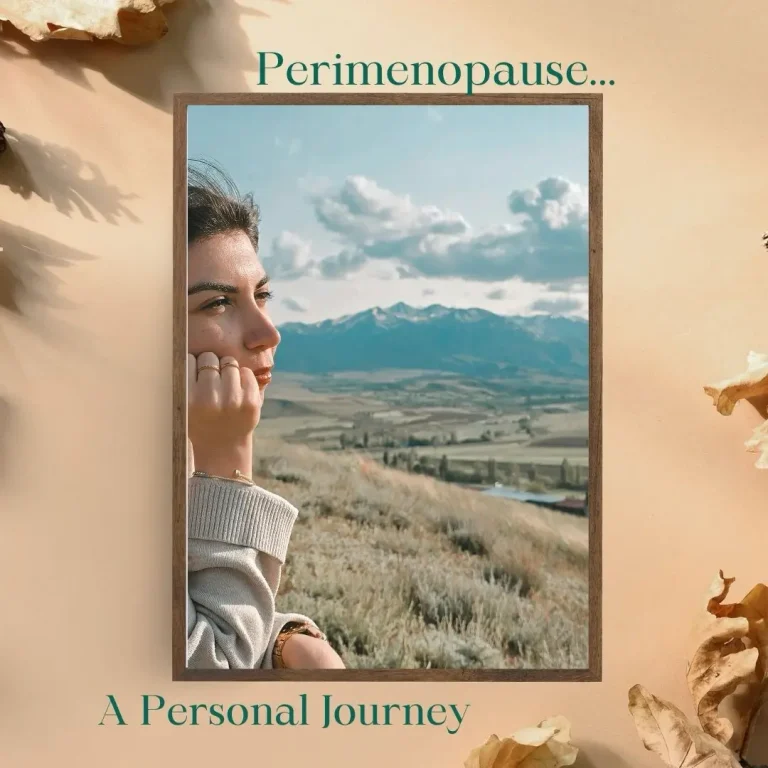
I was 44 years old when something started to feel different.
At first, I blamed stress. To be fair, there was plenty of it. We were coming out of the pandemic, selling a home, moving to a new neighborhood, and eventually relocating across the country. Life was busy, chaotic, and full of change.
But what I was experiencing felt different than stress alone.
I developed a constant sense of anxiety in my body. I couldn’t seem to take a satisfying deep breath. I felt restless, almost like I needed to run or move all the time just to feel settled. My heart would race unexpectedly. I was more irritable than usual. My libido had nearly disappeared.
When I brought these concerns to my doctor, hormones never came up. Instead, we focused on my heart symptoms. I underwent testing, which was completely appropriate—but everything came back normal.
Then another symptom appeared: stress incontinence. Suddenly, I couldn’t go for a run without leaking urine.
I was shocked.
I saw a urogynecologist. Again, there was no discussion about hormones or vaginal estrogen. I was referred to pelvic floor physical therapy and eventually prescribed a pessary to wear while running. Unfortunately, it was uncomfortable and led to what felt like an immediate urinary tract infection.
Eventually, I stopped running altogether.
That loss hit me harder than I expected.
Over time, I began feeling depressed. Brain fog crept in. I struggled to find words during conversations. I started wondering if something was seriously wrong with me. Was I developing early dementia? Was this just what getting older felt like?
The confusing part was that my periods were still regular.
Sure, my cycle had shortened a little—from about 28 days to 25 days. My periods were a bit heavier and crampier than they used to be. But after several pregnancies and vaginal births, that didn’t seem particularly noteworthy.
Finally, I decided to see a menopause specialist.
For the first time, someone connected the dots.
She explained that what I was experiencing could absolutely be perimenopause—even though I was still having regular periods. She talked about the many ways declining and fluctuating hormones can affect the brain, nervous system, pelvic floor, bladder, mood, sleep, and libido years before periods actually stop.
I left that appointment feeling something I hadn’t felt in a long time: relief.
I started an estradiol patch and oral progesterone.
The changes weren’t dramatic or immediate. In fact, they were almost easy to miss at first. But little by little, things improved.
I felt calmer.
The constant physical anxiety softened.
My sleep improved.
My brain started working again.
The woman who had felt lost inside her own body slowly began to reappear.
My journey wasn’t overnight. Looking back, I think it took a year or two to truly feel like myself again. Along the way, I also added low-dose testosterone and a small dose of Prozac, which ended up being helpful pieces of the puzzle for me.
Today, I feel strong. I feel clear. I feel present.
Most importantly, I no longer spend my days wondering what’s wrong with me.
If you’re in your 40s and experiencing anxiety, brain fog, mood changes, sleep disruption, bladder symptoms, low libido, or a general sense that you don’t feel like yourself anymore, know this:
- You are not imagining it.
- You are not “too young.”
- And you don’t have to wait until your periods stop to start the conversation about perimenopause.